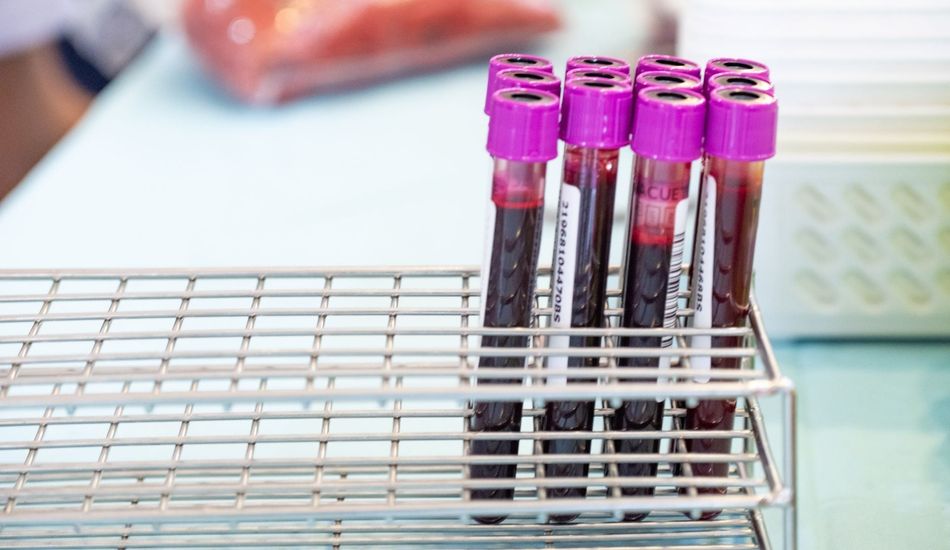
A Simple Blood Test Could Predict Alzheimer's Onset
The grim reality is that we're all marching toward our expiration date, and for many, that path might include the heartbreak of Alzheimer's. However, imagine a future where we could anticipate this disease, potentially years before symptoms even surface. Well, that future might be closer than you think.
Scientists are buzzing about a new model that can estimate the onset of Alzheimer's using a simple blood test. This isn't about pinpointing the exact day, but rather narrowing down the window of when symptoms are likely to appear – we are talking about a few years in advance. This is significant, folks.
Think about it: armed with this knowledge, clinical trials for Alzheimer's treatments could become far more efficient. Instead of casting a wide net, researchers could focus on individuals who are most likely to develop symptoms during the trial period.
The Science Behind the Prediction
This breakthrough hinges on biomarkers, specifically a form of abnormal tau protein called phosphorylated tau 217 (ptau217). This protein's levels in the blood seem to mirror the progression of Alzheimer's, acting as a sort of biological clock.
The team analyzed data from hundreds of older adults, tracking their ptau217 levels and cognitive health. Their model could predict when someone's ptau217 levels would likely trigger visible symptoms, with an average window of three to four years. Age matters, though. The study suggests that younger folks with elevated ptau217 levels might have a better chance of delaying the disease's onset compared to their older counterparts.
For now, the researchers emphasize that this model is best suited for clinical trials. But, I can see a future where this kind of test becomes a routine part of checkups, especially for those with a family history of Alzheimer's.
What could you do with a few years' heads-up? You might double down on lifestyle changes, like diet and exercise, known to boost brain health. Or, you might consider participating in clinical trials, contributing to research that could benefit not just you, but future generations. The possibilities are vast.
The researchers are already working on refining their model, incorporating data from imaging and cognitive tests. And, in the spirit of open science, they've made their code and a web app available to other research teams. This collaborative approach could accelerate progress toward more accurate predictions and, ultimately, effective treatments.
While Alzheimer's remains a formidable foe, these advances offer a glimmer of hope. It's not about stopping the inevitable, but rather about gaining the knowledge and time to make informed decisions, live life to the fullest, and perhaps even contribute to finding a cure.
Source: Gizmodo