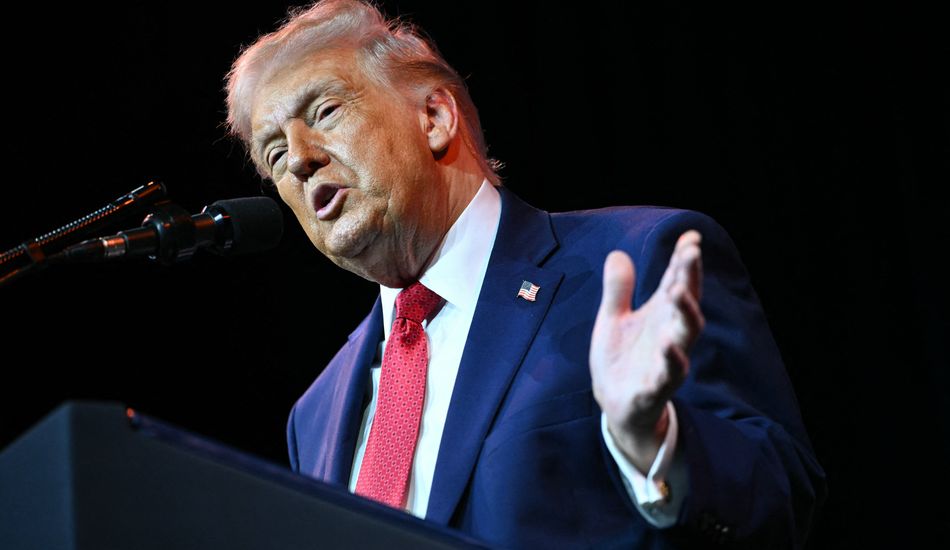
US and Taiwan strike deal: Lower tariffs for massive chip investment
Okay, so the US just pulled off a pretty slick move. Apparently, they've managed to convince Taiwan to pour a ton of money into boosting chip manufacturing right here in America. How? By dangling the carrot of lower tariffs on Taiwanese goods.
I mean, let's be honest, tariffs are a pain. Nobody likes paying more for stuff, and businesses hate the uncertainty they create. So, when the US offered to shave those tariffs down from 20% to 15%, it was probably pretty tempting for Taiwan. And in exchange? A cool $250 billion investment in building and expanding chip factories on American soil, backed by another $250 billion in credit from the Taiwanese government. Not bad, right?
It's no secret that the US has been trying to bring more chip manufacturing back home. We've seen how vulnerable supply chains can be, especially when things get dicey overseas. Plus, having more chips made here means more jobs and a stronger economy. So, this deal seems like a win-win, at least on paper.
However, there's always a catch, isn't there? Apparently, the threat of a massive 100% tariff on chips not made in the US is still hanging over everyone's heads. Commerce Secretary Howard Lutnick mentioned that this option is still on the table. Which sounds like a not-so-subtle way of saying, "Play ball, or else."
Personally, I think this is a pretty smart move by the US. It's a way to incentivize companies to invest in American manufacturing without resorting to outright protectionism. It’s also a way to get Taiwan to invest without necessarily forcing them to do so. It's like saying, "We'd love for you to make chips here, and we'll make it worth your while."
But, I can also see why some people might be wary. Is this really a free market, or is it just a cleverly disguised form of economic coercion? Is this going to create a sustainable chip-making ecosystem in the US, or is it just a temporary fix? These are all important questions to consider. Ultimately, only time will tell if this deal is a true success. But for now, it looks like a pretty big step in the right direction.
Source: The Verge